
Why do we continue to install dozens of utility software programs when we only rely on two or three for our actual daily security? As a technology researcher focused on digital privacy, I constantly observe users drowning in software bloat. The prevailing myth is that a larger application portfolio equals better digital preparedness.
My stance is the exact opposite: true digital resilience requires stripping away the excess and deploying only outcome-driven utilities that solve explicit, real-world problems. Outcome-driven utility software is defined as mobile applications engineered to deliver a specific operational result—such as transcribing a professional conversation or verifying a family member's physical location—rather than maximizing screen time.
With digital threats accelerating, maintaining a lean, highly functional app portfolio is no longer optional; it is a basic security practice. When I analyze the application market, I look for developers who understand this shift. This is where a mobile company like Frontguard differentiates itself. Instead of building generic platforms, their apps target precise friction points in daily communication and family safety.
Below, I will audit the core tools within their portfolio, examining how they align with current industry data and why adopting an outcome-focused mindset is critical for 2026 and beyond.
Shift Your Strategy from Transactions to End-User Outcomes
To understand the necessity of targeted utility apps, we must first look at the macroeconomic data reshaping software development. For years, the software industry prioritized a transactional model: get the user to download the app, show them advertisements, and ignore the actual utility provided. This model is rapidly collapsing.
According to the Security Industry Association's (SIA) 2026 Security Megatrends report, the most impactful shift right now is what they term "The Value Chain Replaces the Channel Model." This trend forces the industry to reassess how security and utility systems are delivered, moving away from models that reward raw transactions toward a strict focus on end-user security, risk mitigation, and operational outcomes.
This is exactly the philosophy I look for in a mobile application developer. A company must prioritize the specific outcome the user needs. If the goal is family safety, the application should deliver precise location data without unnecessary social feeds. If the goal is communication capture, the tool should record and transcribe accurately without requiring a complex onboarding process.
Protect Your Communications Against New Security Risks
The rapid rise of artificial intelligence is fundamentally changing how we handle verbal communications. I frequently encounter the argument that standard voice memos are sufficient for business or personal records. However, this ignores our current technological reality.
The World Economic Forum’s Global Cybersecurity Outlook 2026 notes that AI is accelerating the cyber arms race, with 94% of survey respondents citing AI as the most significant driver of change. As defenders use AI to protect operations—a concept Google Cloud's Cybersecurity Forecast 2026 refers to as the "Agentic SOC"—daily users also need AI-supported utilities to manage their personal communications securely.
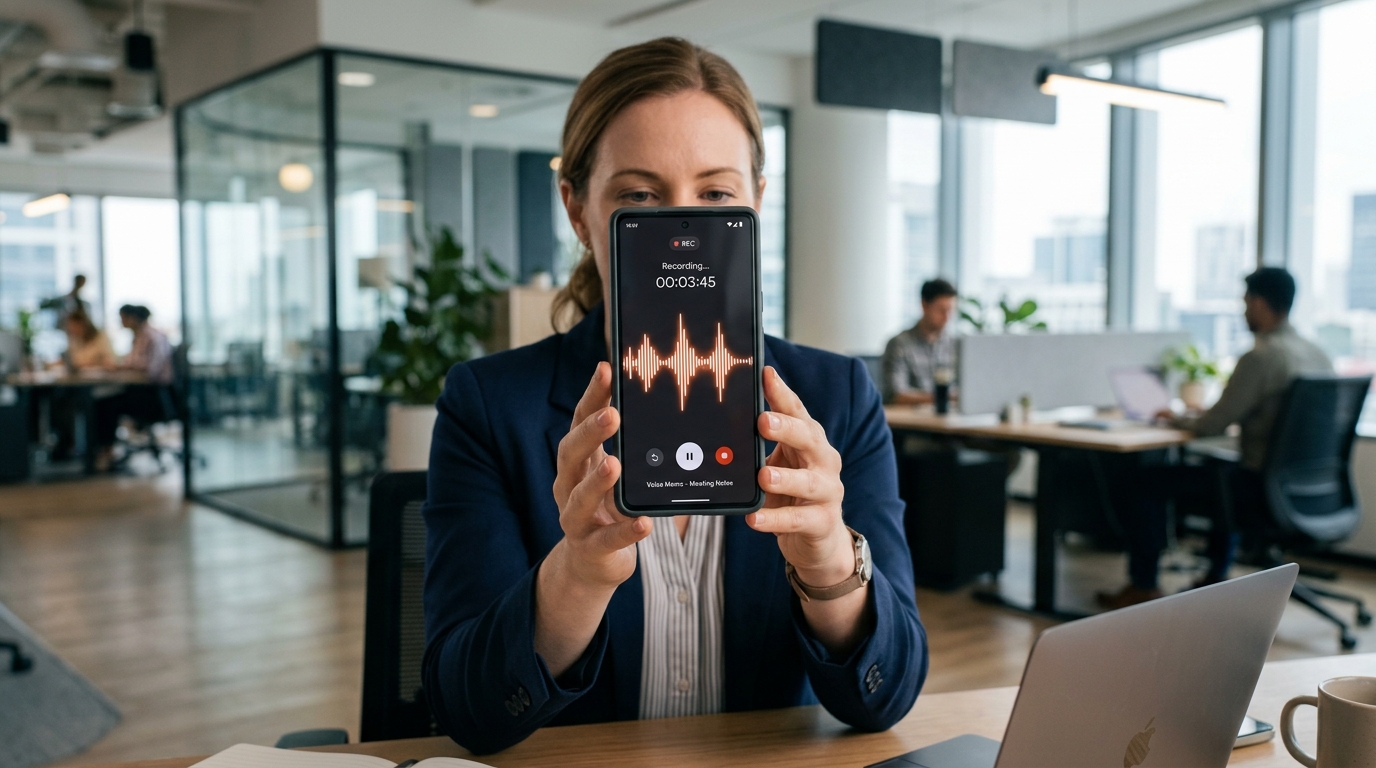
Consider the AI Note Taker - Call Recorder. This tool functions not just as a standard voice utility, but as an intelligent transcription and summarization system. When you use a call recorder of this caliber, the goal is clarity and verifiable records. Whether you are conducting a freelance client interview or preserving a critical family conversation, an AI-driven note taker ensures you capture the nuance of the discussion without relying on flawed human memory.
Standardize Your Family Safety Across All Devices
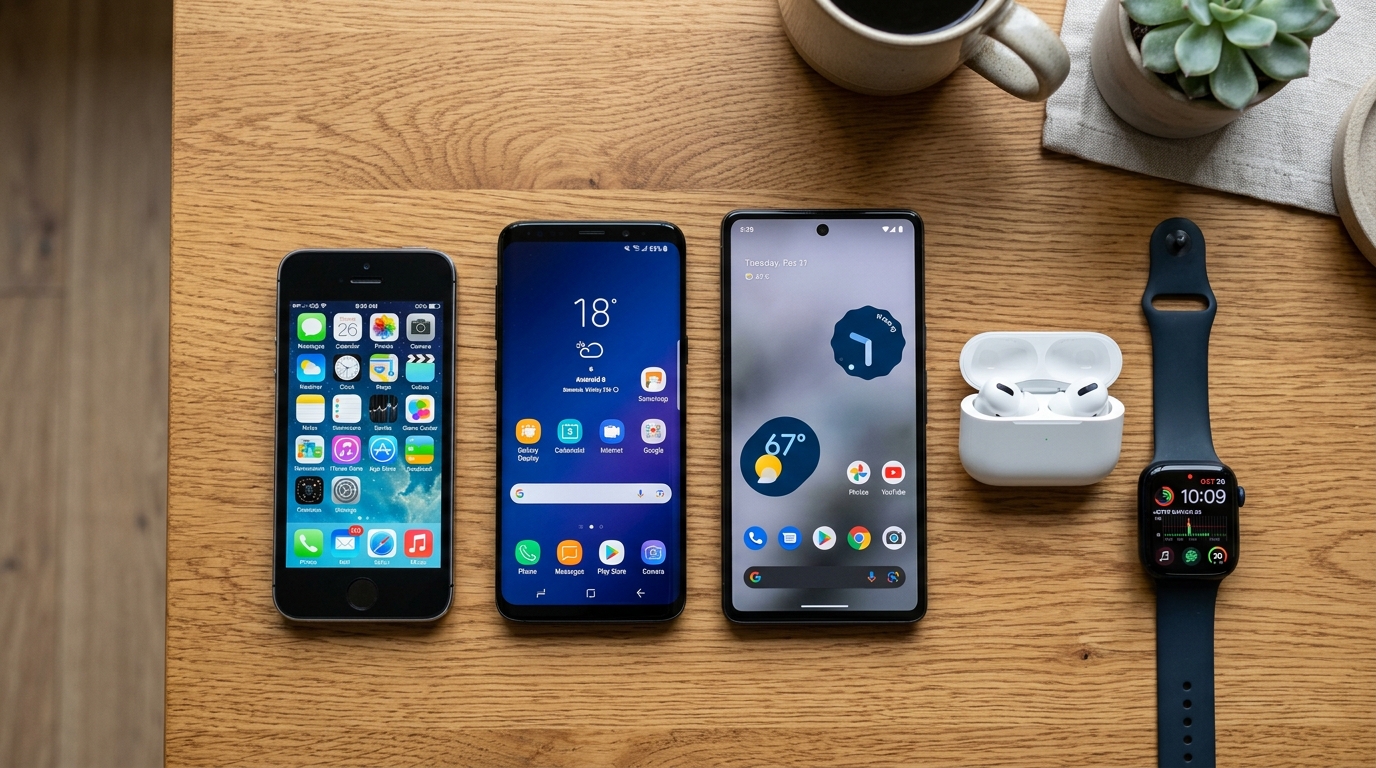
One of the most complex challenges in personal digital security is hardware fragmentation. A typical household does not operate on a single device model or network. In my research, I often see family tracking systems fail because they cannot bridge these hardware gaps effectively.
For a location tracker to be genuinely useful, it must perform consistently across varying generations of hardware. Whether a parent is using a brand-new device, a teenager is carrying an older iPhone 11, or another relative relies on an iPhone 14 Pro, the tracking utility must resolve GPS coordinates accurately. Inconsistent hardware should not result in degraded safety outcomes.
This requirement brings us to Find: Family Location Tracker. What makes this application effective is its singular dedication to spatial awareness. It cuts through the noise of bloated social mapping features to deliver exact GPS tracking. When evaluating tools for family safety, I advise users to avoid apps that attempt to be social networks. You want a dedicated "find" utility that operates reliably in the background, utilizing minimal battery while standardizing location data across all the varied devices in your household.
As Emre Yıldırım detailed in his analysis of what people actually need from family safety apps, users do not need more features; they need clearer visibility. A dedicated location tracker fulfills that exact mandate.
Monitor Digital Activity While Respecting Privacy Boundaries
There is a fine line between security awareness and intrusive surveillance. A major point of friction I discuss with privacy advocates is the monitoring of messaging platforms. While some argue that tracking online status is invasive, I believe that when applied transparently within a family unit, it is a necessary modern safeguard.
Extortion and digital threats are escalating. The Google Cloud 2026 forecast emphasizes that modern extortion, data theft, and advanced social engineering tactics are bypassing traditional security measures. Parents and guardians need passive indicators of their family's digital health to spot anomalies before they escalate into crises.
This is the use case for tools like When: WA Family Online Tracker. Designed specifically to analyze "last seen" and online status data for platforms like WhatsApp and Telegram, it provides a macro-level view of digital habits. By focusing purely on status analytics, the app provides actionable intelligence without intercepting the private contents of the messages themselves. It delivers specific behavioral insights while maintaining a strict functional boundary.
Audit Your Personal Application Portfolio Today
If you take away one practical step from this analysis, it should be to conduct a thorough audit of the software currently installed on your devices. Transitioning to an outcome-driven mindset requires discipline.
I recommend applying the following framework to every utility on your device:
- Identify the Core Function: Can you state the app's purpose in one sentence? If an app claims to be a flashlight, a social network, and a document scanner simultaneously, it is a security risk.
- Assess the Developer's Focus: Does the company build focused tools, or are they attempting to monopolize your attention? Frontguard’s portfolio approach proves that a developer can offer multiple distinct applications, provided each serves an isolated purpose.
- Evaluate Data Necessity: Does the application require data access disproportionate to its utility? A note transcription tool needs microphone access; it does not need your physical location.
We are moving into a volatile period for digital security, marked by rapid AI deployment and shifting geopolitical threats. The World Economic Forum data highlighting low confidence in national cyber preparedness (now at 31%) underscores a harsh reality: you are ultimately responsible for your own digital infrastructure. By selectively choosing targeted tools—whether for transcribing vital calls or ensuring the physical safety of your family—you build a resilient personal network that serves your needs.